Research lines
01 ─ Ecological functions
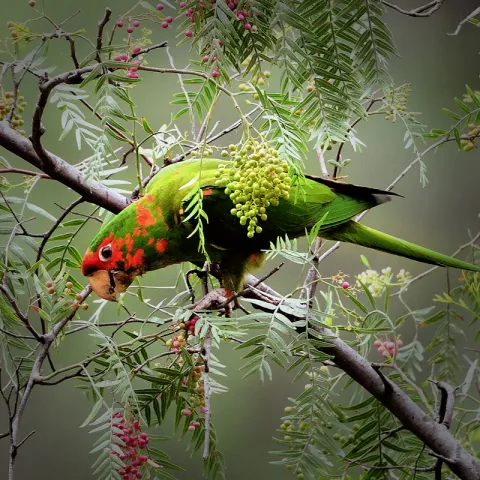
Our research has broken a paradigm. We've shifted from considering parrots exclusively as destroyers of the plants they feed on to performing important functions such as seed dispersal, food wasting, and pollination, placing parrot-plant relationships on an antagonistic-mutualistic continuum.
02 ─ Illegal and legal trade
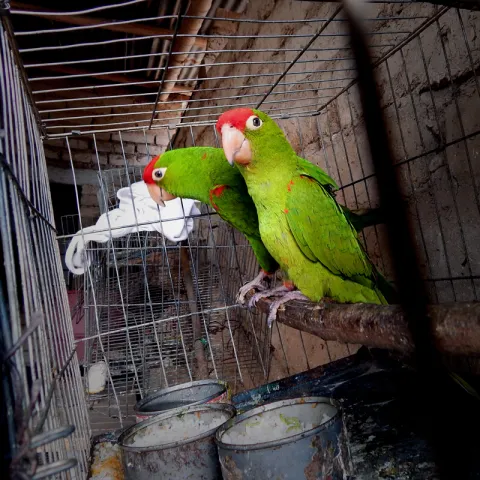
Focusing on trade as one of the main threats, we have shown that domestic trade is much more worrying than previously thought, and that poaching is selectively targeting the species most valued as pets in the Neotropics.
03 ─ Habitat challenges
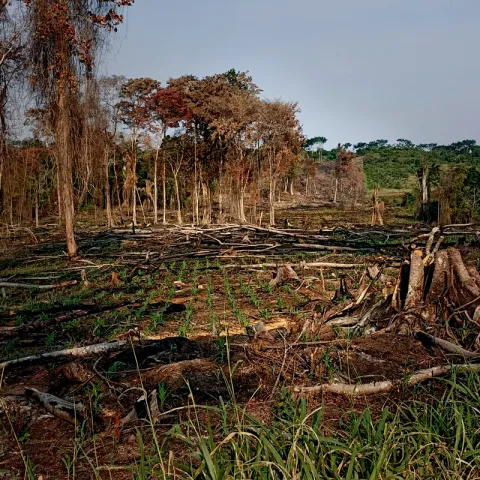
We study the responses of parrots to the loss and degradation of their habitats, how habitats condition their distributions, and how they adapt to living in such anthropogenic environments as urban ones.
04 ─ Other conservation threats
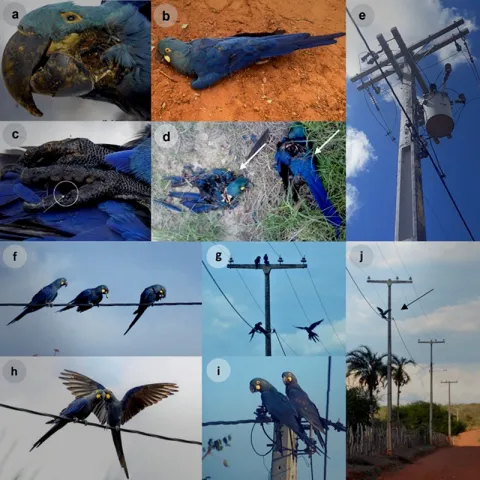
We also study less recognized threats, such as the persecution of parrots due to their damage to agriculture, the loss of nesting sites due to invasive bees, or deaths by electrocution.
05 ─ Non-native populations
We study the relationships between introduced parakeet populations and their host environments, investigating their population dynamics, impacts, and integration into existing food webs.
06 ─ Breeding and population ecology
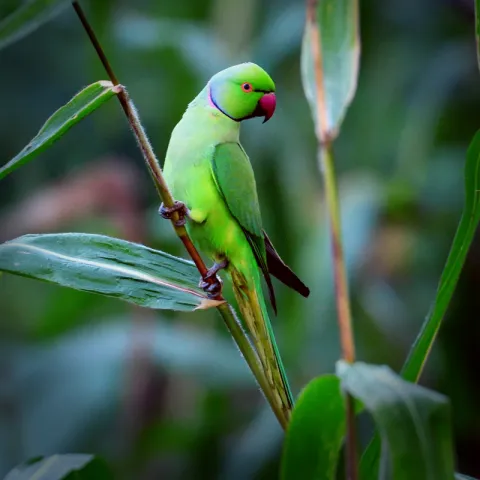
We also study the reproductive biology, sex and age ratios, and population dynamics of some parrot species.
07 ─ Population genetics
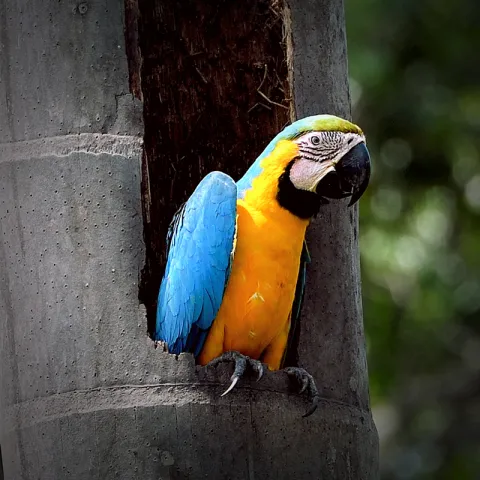
Using molecular tools, we study both the population genetics of threatened macaw species and the processes of introduction and invasion of non-native parakeets.
08 ─ Physiology and diseases
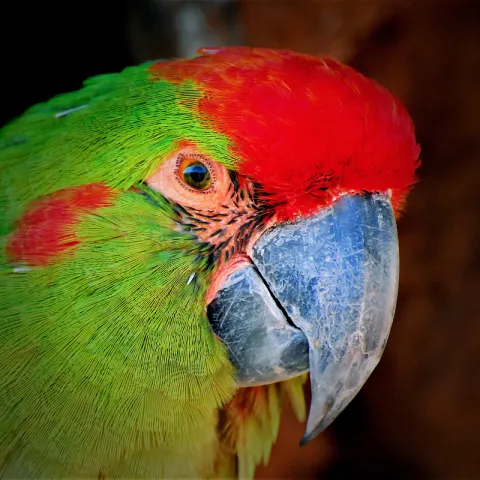
We study aspects such as the physiology of stress or the presence and transmission of diseases in parrots.
09 ─ Research methods
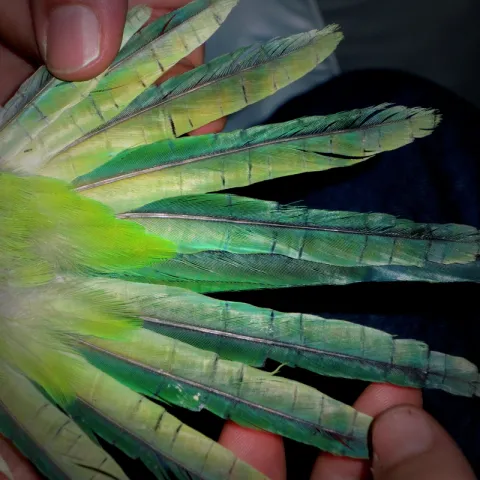
We have developed methodologies for censusing parrots in the wild, also integrating citizen science, and for determining the numbers of poached parrots and selective poaching, as well as a simple and alternative method for molecular sexing of individuals.